
Lower energy bills
Insulated walls reduce the amount of heat escaping in winter and entering in summer, cutting the workload on heaters and air conditioners. This directly lowers energy consumption and power bills.
Caroline Springs
Wall insulation installed in Caroline Springs homes to stop winter heat loss and summer heat gain through external walls. We fit bulk batts into open stud frames during renovations or new builds, using glasswool, polyester or rockwool to achieve typical R-values of R2. 0 to R2. 7.
Share your details and Expert Insulation Melbourne will contact you about Wall Insulation in Caroline Springs.
Caroline Springs has many brick veneer and modern homes where external walls lack insulation. Wall insulation fills the cavity or stud frames with bulk batts to slow heat transfer, keeping interiors warmer in winter and cooler in summer. This is most practical during renovations, extensions or new construction when wall cavities are exposed.
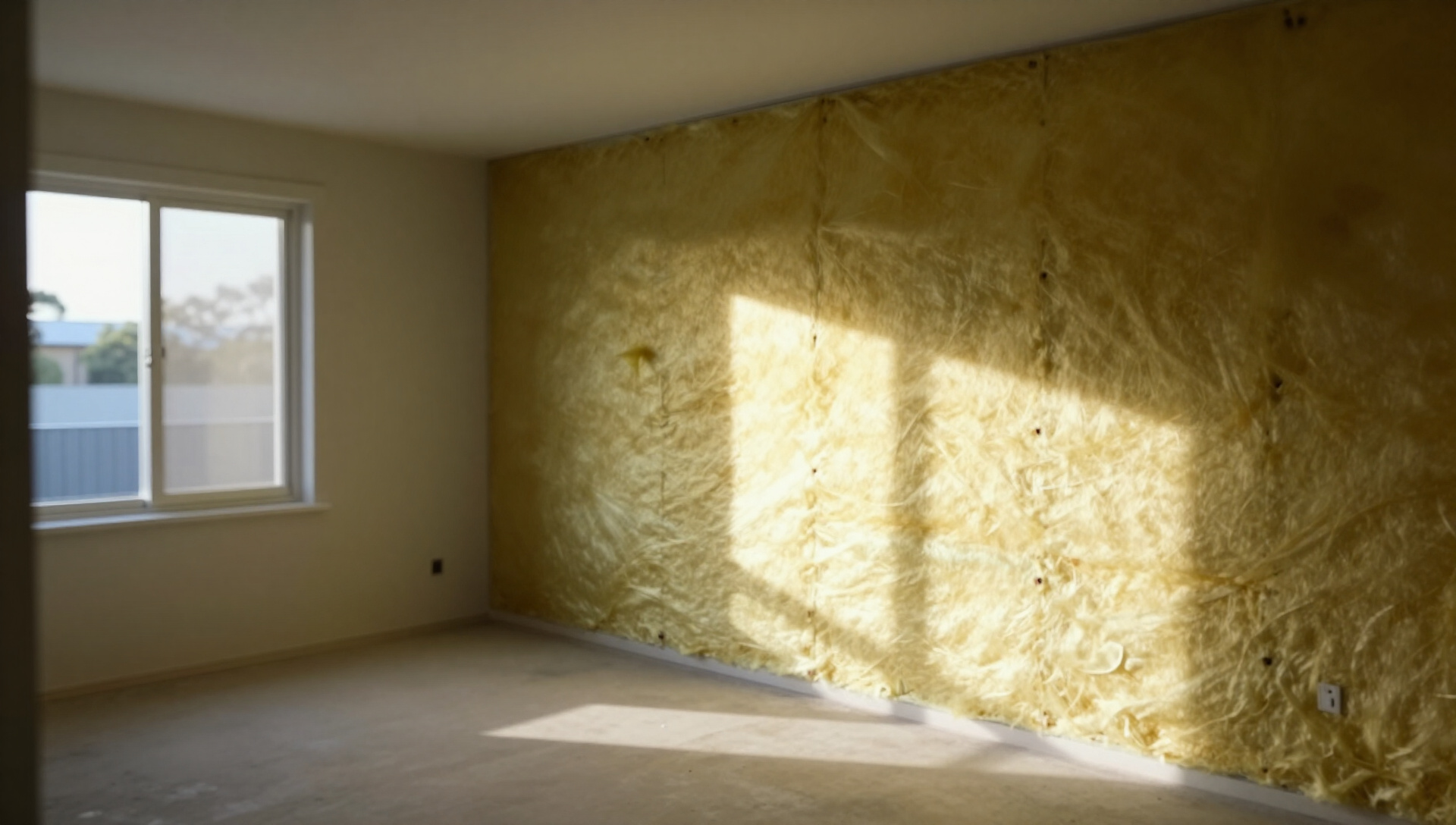
Caroline Springs experiences cold winters and hot summers, making uninsulated walls a major source of heat loss and gain. Proper wall insulation improves comfort year-round and reduces reliance on heating and cooling systems.
Insulated walls reduce the amount of heat escaping in winter and entering in summer, cutting the workload on heaters and air conditioners. This directly lowers energy consumption and power bills.
Bulk insulation in walls slows heat transfer, so rooms stay warmer for longer in winter and resist heat buildup in summer. This creates a more stable and comfortable indoor climate.
When installed correctly, wall batts fill gaps in the stud frame, minimising draughts through walls. This is especially noticeable in older homes with poor sealing.
Dense bulk insulation like rockwool or high-density polyester also absorbs sound, reducing noise from outside and between rooms. This is useful in busy Caroline Springs neighbourhoods.
Quality bulk batts retain their thickness and R-value over time when installed correctly. They do not sag or compress like old ceiling insulation can, ensuring lasting thermal performance.
Wall insulation suits both brick veneer and weatherboard construction common in Caroline Springs. For existing brick veneer, cavity wall insulation may be an option if the wall type is suitable.
Wall insulation is most effective when installed during construction or major renovations. The process is straightforward when wall cavities are accessible, ensuring full coverage and no gaps.
We check the wall type, stud spacing and any existing services like electrical cables or plumbing. For new builds or renovations, we confirm the wall frames are ready and clear of obstructions.
Bulk batts are cut to fit snugly between studs, with no gaps or compression. We use glasswool, polyester or rockwool depending on your preference and the wall construction.
Batts are pressed into place between studs so they stay in position without staples or adhesive. This friction fit ensures full contact with the stud faces for maximum thermal performance.
Once all batts are installed, we check for any gaps or voids and ensure the wall is ready for lining. For cavity wall insulation in existing brick veneer, small holes are drilled and patched after injection.
Caroline Springs is a growing suburb in Melbourne’s west with a mix of modern homes and newer estates. Many of these properties have uninsulated external walls, leading to higher heating and cooling costs. Wall insulation is a cost-effective upgrade during renovations or new builds, improving comfort and energy efficiency for years to come.
Wall insulation for Caroline Springs homes to reduce heat loss and improve comfort.
Homeowners in Caroline Springs often have questions about wall insulation, especially for existing homes. Here are answers to the most common queries.
Wall insulation in Caroline Springs is a practical solution for homes with uninsulated external walls. Many properties in this suburb, particularly newer builds and brick veneer homes, benefit from adding bulk batts to stud frames during renovations or construction. This reduces heat transfer through walls, which is a major source of energy loss in Melbourne’s climate.
The most common materials for wall insulation are glasswool, polyester and rockwool batts. These provide typical R-values of R2.0 to R2.7 for external walls, which is effective for slowing heat flow. The choice depends on factors like budget, acoustic needs and personal preference. All these materials are non-combustible and safe when installed correctly.
For existing homes in Caroline Springs, cavity wall insulation may be an option if the wall type is suitable. This involves injecting insulation into the cavity through small holes drilled in the mortar. However, not all brick veneer walls are suitable, so an inspection is required first. For weatherboard or timber-framed homes, wall insulation is best added when the walls are opened up during renovations.
Improve your home’s thermal performance with wall insulation installed by Expert Insulation Melbourne. We service Caroline Springs and surrounding suburbs with quality bulk batts for new builds and renovations.