
Lower heating and cooling bills
Bulk insulation resists heat flow, so your heater and air conditioner run less often. Ceiling batts alone can cut winter heat loss by up to 45 percent in a typical Melbourne home.
Caroline Springs
Bulk insulation installed in Caroline Springs homes to stop winter heat loss through ceilings and walls. Glasswool, polyester and rockwool batts fitted by local installers.
Share your details and Expert Insulation Melbourne will contact you about Bulk Insulation in Caroline Springs.
Bulk insulation uses materials like glasswool, polyester or rockwool batts to trap still air and slow heat transfer. In Caroline Springs it is most often installed between ceiling joists in the roof space and inside wall cavities during renovations. Ceilings commonly use R4. 0 to R6.
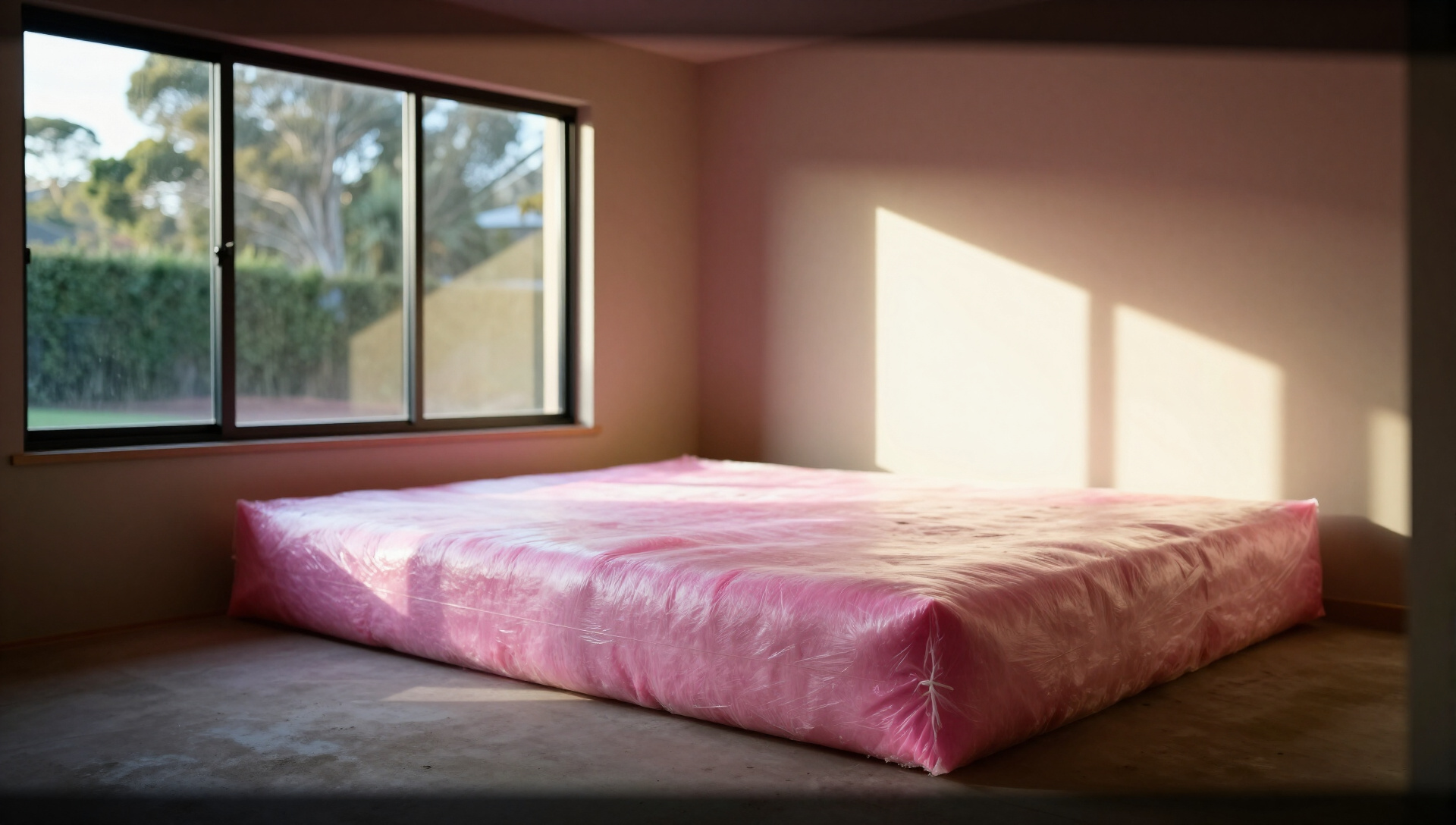
Caroline Springs has cold winters and hot summers, so homes without adequate bulk insulation lose heat through ceilings in winter and gain heat through roofs and walls in summer. Batts fitted in the roof space and wall frames reduce this transfer and lower heating and cooling costs.
Bulk insulation resists heat flow, so your heater and air conditioner run less often. Ceiling batts alone can cut winter heat loss by up to 45 percent in a typical Melbourne home.
Batts in ceilings and walls slow the rate of heat transfer, keeping living areas warmer in winter and cooler in summer without temperature swings.
Properly installed bulk insulation helps manage moisture by keeping internal surfaces closer to room temperature, which reduces the chance of condensation forming on ceilings and walls.
Dense batts absorb airborne sound, so wall insulation also dampens noise between bedrooms, living areas and garages in Caroline Springs homes.
Glasswool, polyester and rockwool batts do not settle or degrade over time if installed correctly and kept dry, so they keep performing for decades.
Bulk insulation can be added to most Caroline Springs homes without structural changes. Ceiling batts are laid over existing joists, and wall batts fit into open stud frames during renovations.
We begin with a roof space inspection to check access, existing insulation and any obstacles like downlights or cables. Then we measure the areas and recommend the right R-value and material for your home.
We access the roof space via the manhole to assess ceiling joist spacing, existing batts, dust levels, downlight types and any wiring or plumbing that needs clearances.
Based on your home’s construction and climate exposure, we recommend glasswool, polyester or rockwool batts and the appropriate R-value for ceilings, walls or floors, then calculate the quantity needed.
We clear the roof space of loose debris, check for asbestos and ensure safe access. If old batts might contain asbestos, work stops until a qualified assessor inspects them.
Batts are cut to fit snugly between joists or studs without compression, gaps or bridging. We maintain required clearances around downlights and flues, then clean up and seal the manhole.
Caroline Springs has many 1990s and 2000s brick veneer and weatherboard homes on large blocks, often with spacious roof cavities and suspended timber floors. These homes commonly need ceiling batts to stop winter heat loss and underfloor batts to fix cold floors and draughts. Wall insulation is added during renovations when stud frames are exposed.
Local installers of glasswool, polyester and rockwool batts for ceilings, walls and floors in Caroline Springs.
Homeowners in Caroline Springs often ask about R-values, access, time on site and whether bulk insulation can be added to existing homes.
Bulk insulation in Caroline Springs is typically glasswool, polyester or rockwool batts installed between ceiling joists, inside wall cavities or under suspended floors. These materials trap still air to resist heat flow, with higher R-values providing greater thermal resistance. Ceilings in Melbourne often use R4.0 to R6.0, walls R2.0 to R2.7, and underfloor R1.5 to R2.5.
Caroline Springs homes built in the 1990s and 2000s may have little or no ceiling insulation, or thin batts that have compressed over time. Topping up with new bulk insulation restores the designed R-value and improves comfort. Wall insulation is practical when renovating, as batts are fitted into open stud frames before the lining goes on.
Cost depends on the area to cover, chosen R-value, access difficulty and whether old insulation needs removal. A standard single-storey home in Caroline Springs with good roof access can often be completed in a day. We provide a fixed quote after inspecting your roof space and discussing your needs.
Call Expert Insulation Melbourne on 0399695249 or email info@expertinsulationmelbourne. com. au to arrange a roof space inspection and quote for bulk insulation in Caroline Springs.